English Forever? And Esperanto
 Will English ever lose its role as the language of international communication? I had to leave my crystal ball behind the last time I moved, but my guess is, short of a number of major changes, not in the forseeable future. The author of this article gives some reasons why. One possibility is, of course, that some new form of English would emerge, different from the current main “dialects” of English but still the same language.
A notable attempt at a universal, non-English language is of course Esperanto, the creator of which I understand to have combined “the best” portions of different languages to form a new one which was logical and easy to learn. I doubt that the use of Esperanto today is anywhere near what its creator hoped for, but in my book it deserves a lot of credit for still being around….and it’s even considered to have “native speakers”, such as one well-known European philanthropist. (Care to guess who?)
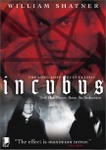
The other day I received a Google news update about Incubus, a movie filmed completely in Esperanto, starring, among others, William Shattner, whose Esperanto apparently has a French accent.
I found this quote striking “The film was performed entirely in the constructed language Esperanto. This was done to create an eerie, other-worldly feeling…” Apparently Incubus is a horror film, so aiming for an eerie feel is understandable, but it’s funny to me because Esperanto is basically just another foreign language – there are lots of foreign languages right here on this planet. I wouldn’t consider other foreign languages “other worldly” and without seeing the film or knowing more about the director, it’s hard to know if this aim tells us something about Esperanto (it’s “weird”) or mainly about the point of view the aim comes from (foreign languages are “weird”).
What was notable in this story is that the original version of Incubus, from 1965, had been lost (burned) in a fire, and only recently did someone find a version with French subtitles; the director had prohibited dubbing. It is now available in some capacity with English subtitles, and you can find the Rotten Tomatoes page here. If you’re really into Esperanto, you can have a look for Agonies, which came out a year prior to Incubus.